Home › Commercial Concrete Slabs and Flatwork
Superior Concrete San Jose pours commercial concrete slabs and flatwork in San Jose, TX for warehouses, retail spaces, and industrial yards. We deliver flat, durable surfaces with proper reinforcement and finishing to support racks, machinery, and heavy traffic.
Superior Concrete San Jose provides professional commercial concrete slab throughout San Jose, TX, Texas and the surrounding area. Our licensed, insured crew delivers safe, clean, on-time work with a free estimate before anything begins. Call (956) 857-9315 or request your free quote.
Commercial Concrete Slabs and Flatwork for San Jose, Texas Businesses
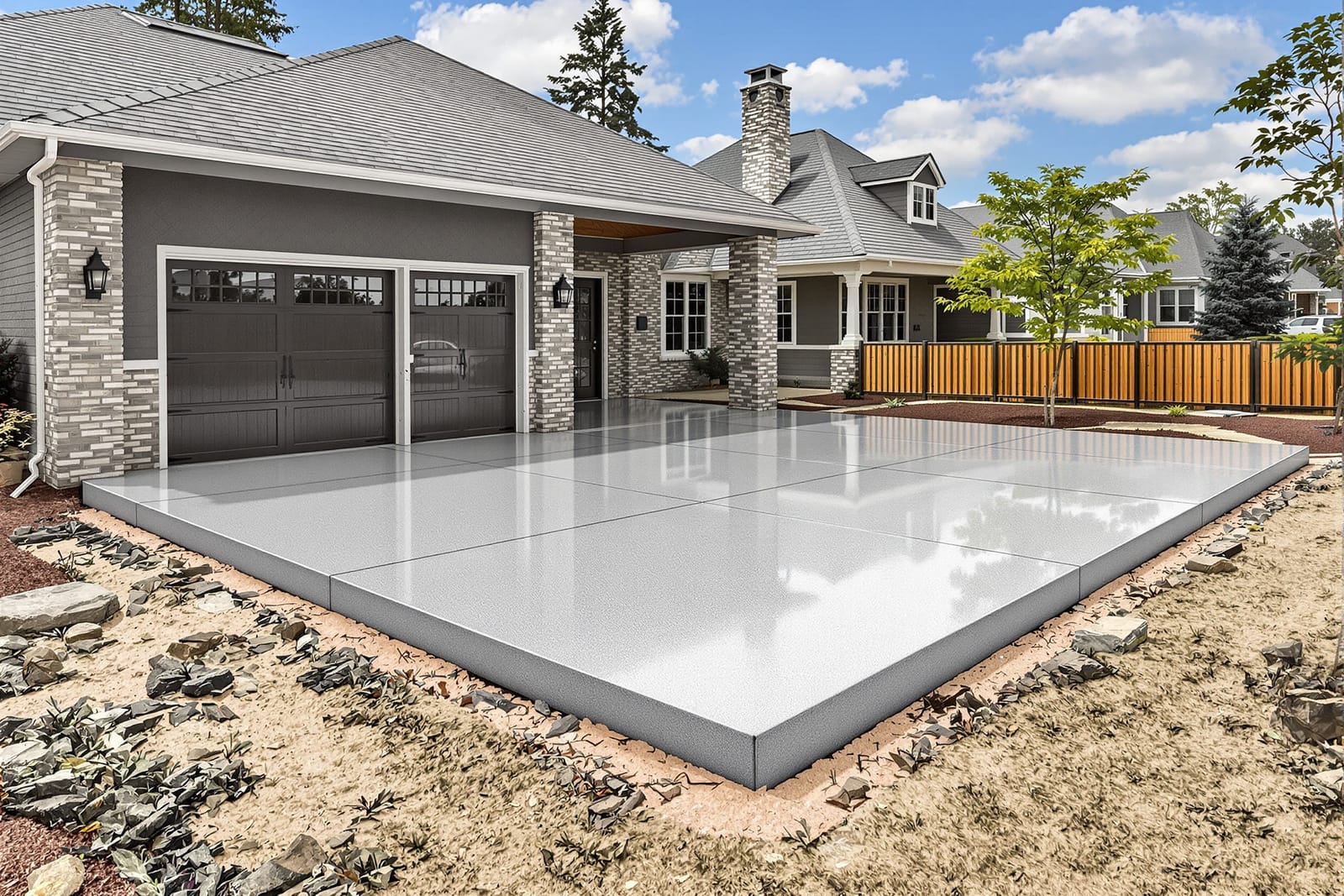
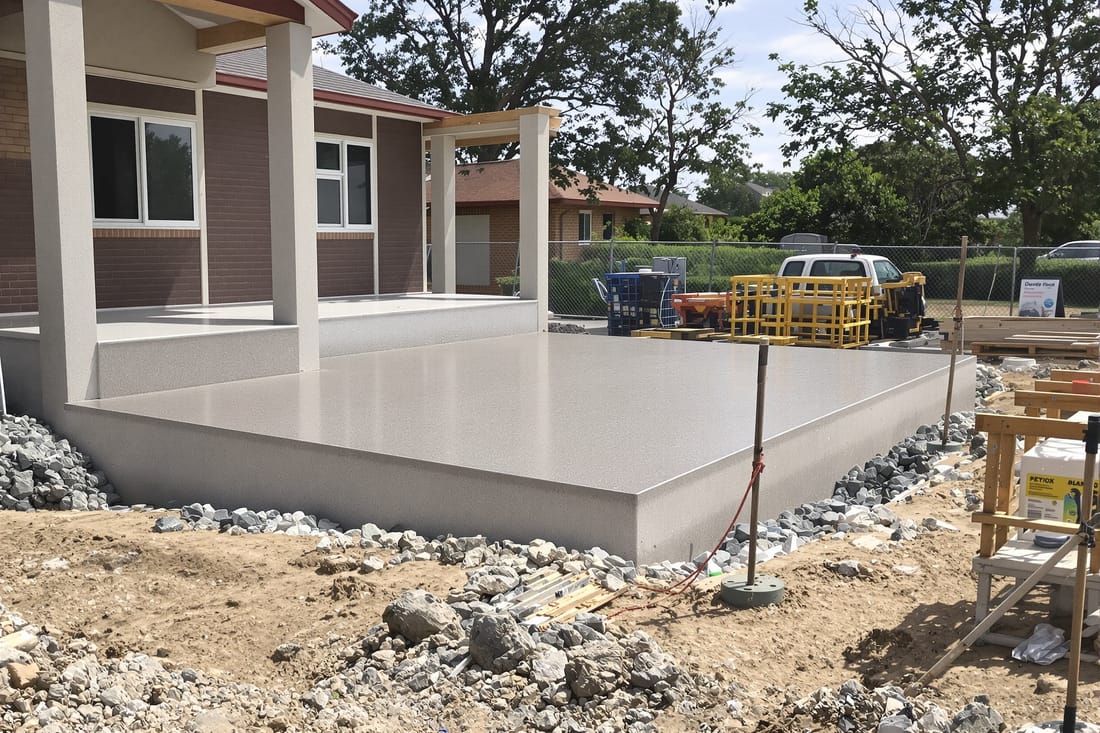
If you are planning a new building pad, warehouse floor, or heavy-duty parking area in San Jose, Texas, the concrete slab is what carries everything. At Superior Concrete San Jose, we focus on commercial concrete slab and flatwork projects that need to perform under real-world South Texas conditions, from summer heat to occasional flash flooding.
Commercial concrete is not “just a thicker driveway.” We look at what will sit on the slab, how traffic will move, and what the soil on your specific property is like. A light-retail storefront with customer foot traffic needs a very different slab than an equipment yard with loaded 18-wheelers or an agricultural building with frequent wash-downs.
Our team lives and works around San Jose, Pleasanton, and the southern Bexar / Atascosa area, so we understand local caliche, expansive clay pockets, and how poorly drained sites can affect slab movement. When we recommend slab thickness, rebar layout, and concrete mix design, it is based on what we have seen survive here, not a generic specification from another region.
How We Build a Reliable Commercial Concrete Slab
A durable commercial concrete slab starts with the dirt, not the concrete. First, we walk your site with you and identify any soft spots, existing utilities, and drainage paths. We then bring in equipment to strip organic material and unsuitable soil. In problem areas, we may undercut and bring in compacted base material such as crushed limestone or select fill so the slab does not settle later.
Once the subgrade is shaped to the proper elevation and slope, we compact it in lifts using plate compactors or rollers and verify with density checks or simple proof-rolling, depending on project size. In San Jose’s mixed soils, this step is crucial, because the combination of clay and sudden rain can create pockets that later turn into slab cracks or dips if not addressed.
We then install formwork around the perimeter to define exact slab dimensions, elevations, and thickened edges where needed. Inside the forms, we place reinforcement based on the design: typically #4 or #5 rebar in a grid, at 12 to 18 inches on center, sometimes with additional steel around column pads, door openings, or equipment pads. For light-duty applications like small retail or office slabs, we may recommend welded wire mesh combined with fiber-reinforced concrete, but for most commercial work we rely on rebar cages.
Before pouring, we may install a vapor barrier (usually 10 to 15 mil poly) over the compacted base if you plan flooring like epoxy, tile, or vinyl that is sensitive to moisture. We also pre-plan locations for plumbing, electrical conduits, floor drains, and anchor bolts, coordinating closely with your other contractors so nothing ends up misaligned once the concrete is in place.
Concrete Mixes, Finishes, and Design Options for Flatwork
Not all commercial concrete is the same. For a commercial concrete slab in San Jose, we usually pour at 4,000 psi or higher for interior floors and truck-rated drive lanes, and we adjust air entrainment and water-cement ratio based on whether the slab is interior or exposed to the weather. On hot South Texas days, we often schedule pours very early in the morning to reduce rapid evaporation and plastic shrinkage cracking. We may also use mid-range water reducers so the concrete remains workable without adding extra water that weakens the slab.
Flatwork finishing is tailored to how the surface will be used. For warehouses, we often machine trowel the slab to a hard, smooth finish that can later receive epoxy or sealer. In areas where slip resistance matters, like loading docks, exterior walkways, or car washes, we typically apply a broom finish or light texture. For high-traffic retail entries or outdoor seating areas, we can integrate decorative elements, such as colored concrete, saw-cut patterns, or integral borders that still meet commercial performance requirements.
We also plan and cut control joints to manage cracking. In our climate, concrete will move as temperatures swing and moisture changes. We saw-cut joints at calculated spacing based on slab thickness and reinforcement, usually within 6 to 12 hours after placement, so any cracking forms along planned lines instead of randomly across the floor. For larger floor areas, we consider doweled construction joints between pour sections so heavy forklifts and pallet jacks can roll smoothly without chipping edges.
For high-load or specialized uses, we can provide thickened slabs, structural slabs on grade, or slabs with integral curbs and machine pads. If you are installing racks, cold storage equipment, or automotive lifts, Superior Concrete San Jose can coordinate embed plates, anchor bolt layouts, and levelness requirements with your equipment vendor.
Costs, Scheduling, and Local Timing Considerations
Commercial concrete slab pricing in San Jose, Texas is driven by several factors: slab thickness, reinforcement type, site conditions, access, and finish requirements. A basic light-duty slab with broom finish on a clean, level site will be on the lower end. Costs increase when we need thicker sections for heavy trucks, more steel reinforcement, vapor barriers, higher-strength mixes, or special flatness tolerances for racking or robotics.
Site prep is often the biggest variable. If your property has poor drainage, significant elevation changes, or soft areas, we may need additional grading, base material, or even simple drainage improvements to protect your investment. On the other hand, if you bring us in early during planning, we can help your designer or engineer optimize the slab design so you are not overbuilding in areas that will never see heavy loads.
Weather matters in South Texas. In the San Jose area, our favorite windows for large commercial pours are late fall through early spring, when temperatures are moderate and afternoon storms are less intense. Summer work is absolutely possible, but we plan more aggressively around heat: earlier start times, mix adjustments, more frequent curing checks, and sometimes temporary shade or windbreaks. During rainy stretches, we monitor the forecast closely and will not pour on a saturated subgrade, because that almost always leads to later problems.
We work hard to keep your schedule on track, coordinating with your GC, steel erector, or building manufacturer so the slab is ready when the structure arrives. For many projects, we can phase pour sections so other trades can start work while we complete the remaining flatwork, minimizing downtime.
Common Problems We Prevent and How We Work With You
Most of the issues we see with commercial concrete slabs in the San Jose region trace back to rushed prep or poor planning, not the concrete itself. Settlement cracks, standing water, and uneven floors are all preventable with the right design and construction practices.
To combat settlement and heaving, we focus on subgrade and drainage. If your site has known expansive clay or low spots that collect water, we may suggest over-excavation with select fill, french drains, or re-grading to move water away from the slab edges. Around trash enclosures and loading docks, where water and heavy traffic combine, we often beef up reinforcement and edge details to resist chipping and rutting.
For cracking control, we combine smart joint layout, proper curing, and realistic expectations. Any large slab will develop some cracks over time, but our goal is to keep them controlled, tight, and out of critical areas. We apply curing compounds or wet curing methods immediately after finishing to slow moisture loss, which greatly reduces early shrinkage cracking in our hot climate. For interior slabs that will receive polished concrete or high-end flooring, we can work with your flooring contractor to align joint patterns and choose the right curing products.
Communication is a big part of how Superior Concrete San Jose operates. Before we start, we walk you through the scope, show you where joints will be, identify any potential problem zones, and clarify what you can expect during and after the pour. During construction we keep you informed about schedule changes due to weather or inspections, and when the slab is complete we explain basic maintenance, like when to seal exterior flatwork, how to protect edges from impacts, and how to avoid early heavy loads before the concrete reaches full strength.
If you are planning a new commercial concrete slab or flatwork project in or around San Jose, TX, Superior Concrete San Jose is ready to look at your plans, visit your site, and put together a practical, locally informed solution that fits the real-world demands of your business.